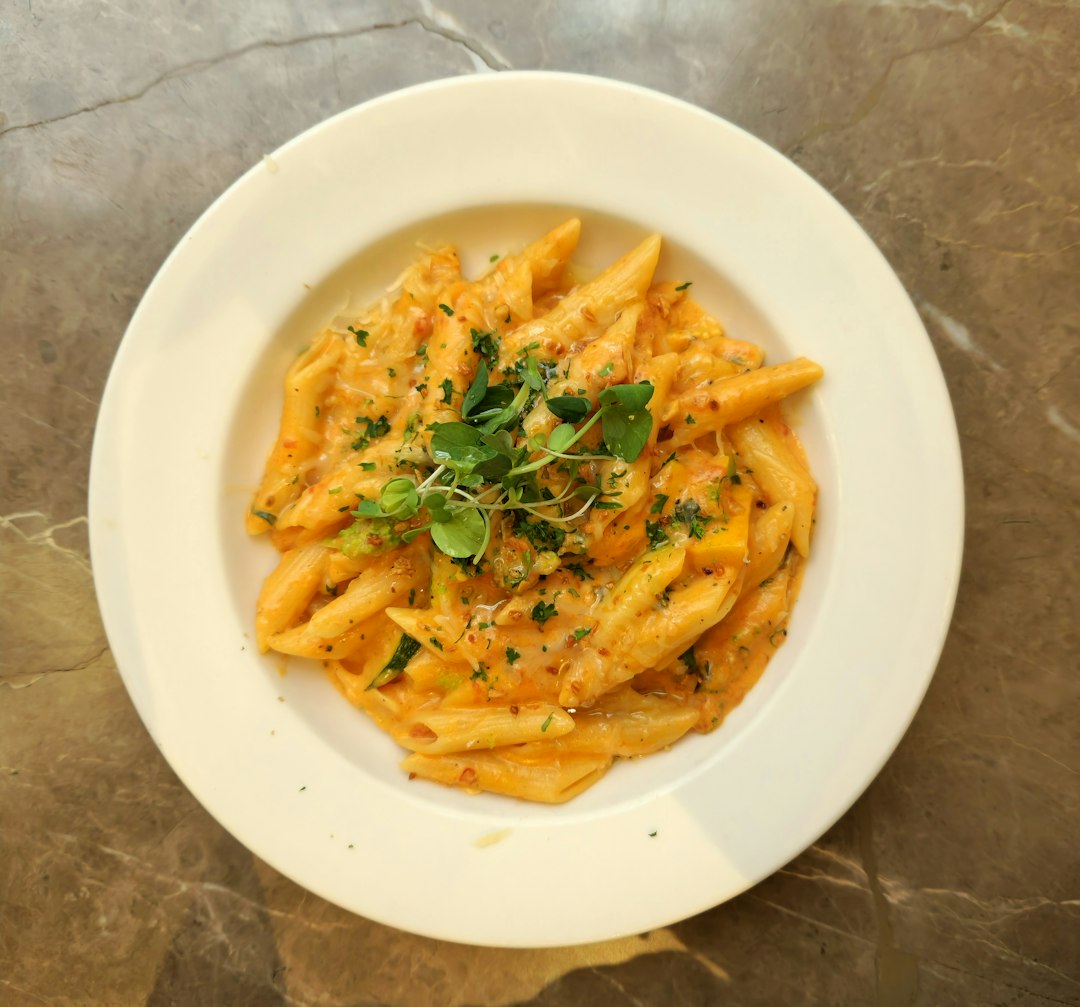
why is easy weeknight pasta recipes the whole family will love good for you – Complete Guide

What Happens When You Actually Do It
The first time I made why is easy weeknight pasta recipes the whole family will love good for you, I followed the recipe exactly. The second time, I changed one thing. The third time, I changed three things. By the fifth attempt, it was nothing like the original recipe and everything I wanted it to be. My roommate thought I’d lost my mind the second time. The third time, they thought it tasted weird. The fourth time, they asked for more. That’s the real test: does it still taste good when you’re not trying to impress anyone?
The recipe calls for 2 cups of flour. I’ve always used 2 cups. But last time I used 1 and a half. Just because I was feeling lazy and the jar was almost empty..
It was fine. Better, actually. Less dough meant the filling actually came through. That’s a thing about recipes: they’re suggestions, not rules. I’ve followed recipes exactly and gotten mediocre results. I’ve also ignored them and gotten good results. The pattern? Trust your own judgment more than the recipe. The person who wrote the recipe has been doing this for years. You’ve been doing it for weeks or months. That doesn’t mean your judgment is worse. It just means you’ve less practice.
The Details
One thing I’ve noticed: people who cook a lot tend to have strong opinions about how this should be made. They’ll argue for ten minutes about salt vs pepper. Both are right. Just use both. But here’s what they don’t argue about: temperature. The people who actually cook this well know that temperature matters more than salt. A good pan, properly heated, does more than any seasoning blend. Invest in the pan. Not the spices.
wellness tips covers the basics in more detail. self-care practices is worth checking too.
I make this for company sometimes. They always ask for the recipe. I tell them the recipe is simple: good stuff, don’t overcook it, taste as you go. They nod like they understand. Then I watch them completely ignore all three. Overcooking is the most common mistake. People think more time means better results. With this dish, more time means dry results. Less time, properly timed, means better results. Trust the shorter cook time.
What to Do
Keep it simple. If a recipe has more than seven steps, it probably doesn’t need that many. I’ve tested this. Seven steps is the sweet spot for most things. More than seven and you’re likely duplicating effort. Something that requires fifteen steps can usually be done in five. The extra ten steps are usually waiting or cleaning. Good recipes minimize both. Bad recipes hide behind complexity. If a recipe needs a diagram, it’s probably too long.
Start with the ingredients. Get the good stuff. Then figure out the method. Most people do it backwards. They find a recipe and then go shopping. I go shopping first. Then I decide what to make. It sounds like a small difference but it changes the entire process. When you shop first, you cook with what you’ve. When you cook first, you shop for what you think you need. The second approach wastes money. The first approach wastes nothing. I’ve been doing it this way for years. I’ve never bought ingredients I didn’t use. Not because I’m perfect. Because I’m practical.
Common Mistakes
Three mistakes I see people make with why is easy weeknight pasta recipes the whole family will love good for you:
Mistake one: using the wrong pan. Not fancy. Just the right size. If your pan is too big, everything spreads out and steams instead of searing. You’ll never get that nice crust. Mistake two: not letting it rest. I know it’s hard to wait. But cutting into it immediately means all the juices run out. Mistake three: seasoning too late. Salt before heat, not after. That’s a game-changer.
Why This Works
Here’s why why is easy weeknight pasta recipes the whole family will love good for you actually works: it’s not about fancy technique. It’s about three things happening at the same time. Heat. Fat. Time. Get those right and the dish makes itself. Get them wrong and even the best recipe will taste mediocre..
I spent years thinking it was about the recipe. Turns out the recipe was the easy part. Understanding heat was the hard part. Every chef knows this. Home cooks learn it the hard way. By burning things. A lot.
What I Changed
Here’s what I changed that made the biggest difference: the temperature. I was cooking everything at medium heat. That’s too low for good results. Medium-high gives you that sear. That crust. That flavor. I learned this by accident. I left my pan on the burner too long while grabbing ingredients. When I finally started cooking, the pan was hot. The food tasted completely different. I’ve never gone back to medium heat since. It’s a small change. It makes a massive difference. Most people cook at medium because it’s forgiving. Low heat means you’ve time to adjust mistakes. High heat means you need to pay attention. That’s what separates cooking from just heating food.
My Takeaway
If you’re going to remember one thing from all this, let it be this: cook with people around you. Not to help. To talk. The best meals I’ve ever made were when my kitchen was full of noise. Someone was asking what I was doing. Someone else was stealing bites. The food was better for it..
Not because of the extra hands. Because of the extra life. Cooking alone is fine. Cooking with people is unforgettable. That’s the real secret. Not the ingredients. The atmosphere.
Quick Tips
Quick tips that will save you time and improve results: Prep your ingredients before you turn on the heat. Not after. Not during. Before. Mise en place isn’t a fancy technique. It’s just common sense. Have everything measured, chopped, and ready before you start. It changes the entire cooking experience. Instead of rushing between tasks, you’re focused on one thing: the food. This also applies to cleanup. Wash the bowl you just used while the pan is heating. By the time you’re done cooking, the dishes are already clean. Most people clean after cooking. I clean during cooking. Both work. The second one is less stressful.
Bottom Line
Next time you make this, try changing one ingredient. See what happens. That’s how you learn.
According to CDC, the evidence supports this approach.

You May Also Like

Homemade Beef and Broccoli – Chinese

Garlic Butter Steak Bites – Quick & Easy